

Laser Hair Removal: Permanent or Just Long-Term Reduction?
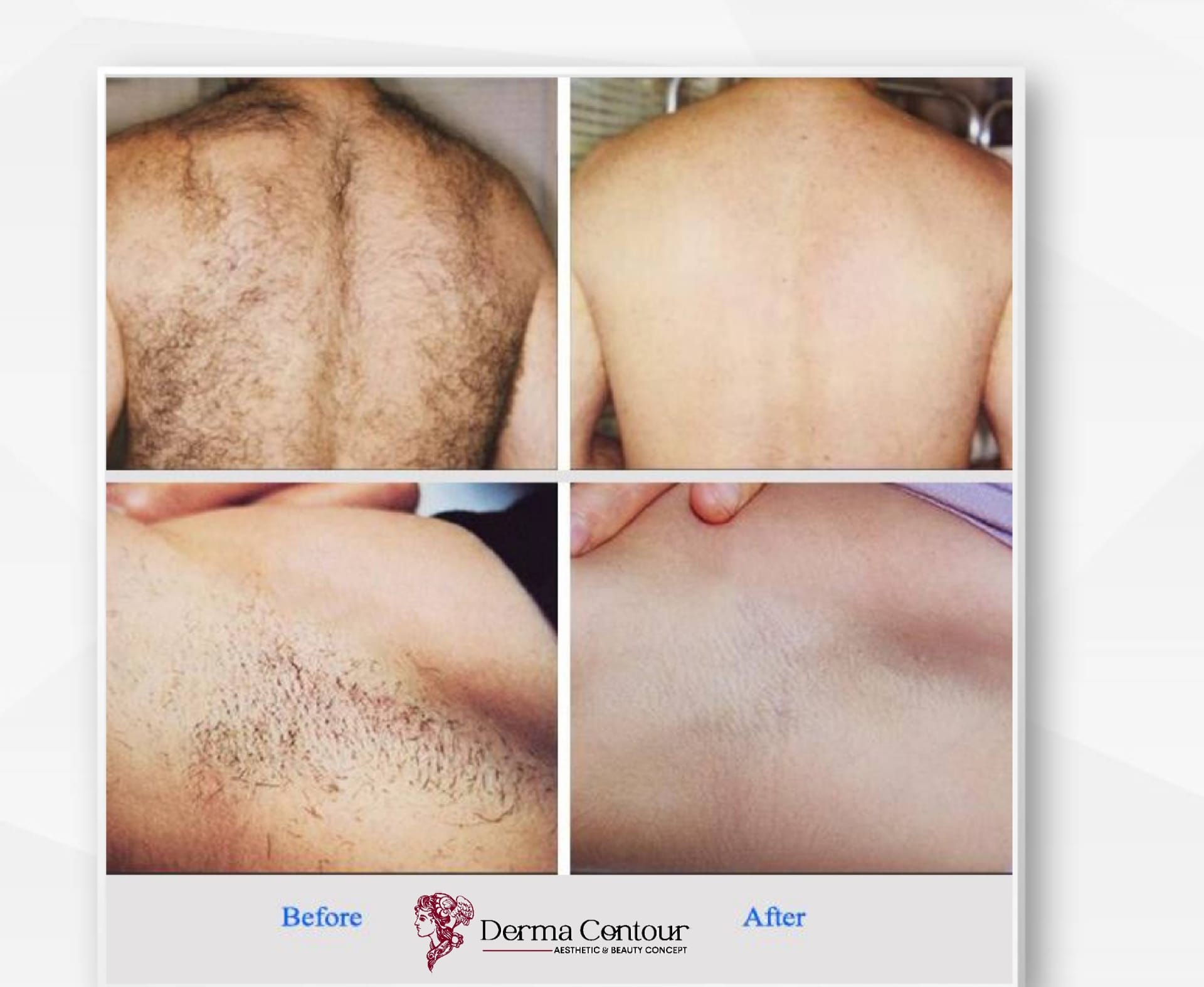
Laser Hair Removal: Permanent or Just Long-Term Reduction?
The short answer is: Laser hair removal is FDA-approved to claim “permanent reduction,” not “permanent removal.” This is a crucial distinction.
-
Permanent Reduction means a stable, long-term decrease in the number of hairs that regrow after a treatment cycle. The hair that does grow back is often finer, lighter, and sparser.
-
Permanent Removal would imply that 100% of hairs are gone forever, which is not realistic. Hormonal changes, medications, and aging can cause new hairs to appear or dormant follicles to reactivate.
The goal of treatment is to achieve a state where you no longer need to shave or wax, with perhaps only a few stray hairs requiring occasional maintenance.
How Does Laser Hair Removal Work?
Laser hair removal uses a process called selective photothermolysis. Let’s break that down:
-
Selective: The laser is tuned to a specific wavelength of light that is most strongly absorbed by the target—in this case, the pigment (melanin) in the hair shaft and follicle.
-
Photo: Light.
-
Thermolysis: Heat destruction.
The Process:
The laser emits a pulse of light that passes through the skin. The melanin in the hair absorbs this light energy, converting it into heat. This intense heat travels down the hair shaft to the bulb (root) and the bulge (stem cell area) of the follicle, effectively damaging or destroying them. This damage inhibits the follicle’s ability to produce new hair, without harming the surrounding skin.
The Hair Growth Cycle: Why Multiple Sessions Are Required
You cannot treat a hair that isn’t there. Hair grows in three distinct phases, and the laser can only effectively destroy follicles in one of them. This is the primary reason multiple sessions are needed.
-
Anagen (Active Growth Phase): This is the only phase where laser treatment works. The hair is fully attached to the follicle, rich with melanin, and connected to the blood supply and stem cells that the laser needs to target. A large portion of hairs need to be in this phase for effective treatment.
-
Catagen (Transition Phase): The hair stops growing and detaches from the blood supply. It’s preparing to shed. The follicle is shrinking, making it a poor target for the laser.
-
Telogen (Resting/Shedding Phase): The old hair has fallen out or is about to. The follicle is dormant and contains no hair pigment for the laser to target.
The Analogy: Think of it like mowing a lawn. One mow doesn’t mean the grass stops growing forever. You have to mow repeatedly as new grass enters its growth phase.
Number of Sessions Required:
Because only hairs in the Anagen phase are affected, and different hairs cycle at different times, you need multiple treatments to catch each follicle while it’s “active.”
-
Average: Most people need 6 to 8 sessions spaced 4 to 8 weeks apart (the interval depends on the body area).
-
Maintenance: After the initial course, many people benefit from 1-2 touch-up sessions per year to maintain the results.
Safety and Effectiveness for Darker Skin Tones
This is an area where technology has made enormous strides. Early lasers were not safe for darker skin (Fitzpatrick skin types IV-VI) because they couldn’t distinguish between the melanin in the dark hair and the melanin in the darker skin itself. This often led to burns, blistering, or hyperpigmentation.
Modern Solution: Nd:YAG and Diode Lasers
Today, clinics use specific lasers that are safe and effective for all skin tones, including deep brown and black skin.
-
Nd:YAG Laser: This is considered the gold standard for darker skin tones. It has a longer wavelength that bypasses the melanin in the epidermis (the top layer of skin). It targets the hair follicle deeper in the dermis, making it much safer by minimizing the risk of skin burns and discoloration.
-
Diode Lasers: Many modern diode lasers are also safe for darker skin when used by an experienced practitioner, often at lower energy settings.
Crucial Advice: If you have a darker skin tone, it is absolutely essential to go to a clinic that has an Nd:YAG laser and a provider who is experienced in treating skin of color. A consultation should always include a test patch to see how your skin reacts.
Addressing Common Myths
-
Myth 1: “It causes cancer.”
-
Fact: Laser hair removal uses non-ionizing radiation (light), which is different from the ionizing radiation (like X-rays or UV from the sun) that is proven to damage DNA and cause skin cancer. The laser does not penetrate deeply enough to affect your internal organs or cause cancer.
-
-
Myth 2: “It’s extremely painful.”
-
Fact: Pain is subjective. Most people describe the sensation as a hot rubber band snapping against the skin or a slight pinprick. Modern machines often have built-in cooling tips (sapphire tips) or blow cold air (cryogen cooling) onto the skin before, during, and after each pulse to numb the area and protect the skin, making it very tolerable.
-
-
Myth 3: “It doesn’t work on light or blonde hair.”
-
Fact: This is largely true. The laser targets melanin. If there is little to no melanin (as in white, grey, light blonde, or red hair), the laser has nothing to latch onto. These hair types are generally poor candidates for traditional laser hair removal and may need alternative methods like electrolysis.
-
-
Myth 4: “Hair removal is permanent after one session.”
-
Fact: As explained by the hair growth cycle, this is impossible. You will notice some shedding 1-3 weeks after a session, but multiple treatments are required for significant, long-term reduction.
-
Pain Levels
While described as a rubber band snap, the pain level varies significantly based on:
-
Area Being Treated: Sensitive areas with thin skin and dense nerve endings (like the upper lip or bikini line) tend to be more painful than areas with thicker skin (like legs or arms).
-
Hormonal Cycle: For women, the skin can be more sensitive during certain times of their menstrual cycle. It’s often recommended to avoid treatment right before or during your period.
-
Your Pain Tolerance: Everyone’s threshold is different.
-
Technology Used: As mentioned, machines with superior cooling systems drastically reduce discomfort.
In summary, laser hair removal is a highly effective method for achieving long-term hair reduction. The key to safe and successful results lies in understanding its limitations, committing to the full treatment schedule, and, most importantly, choosing a qualified professional with the right technology for your skin type.

