

Chemical Peels Demystified: Which Peel Is Right for You?
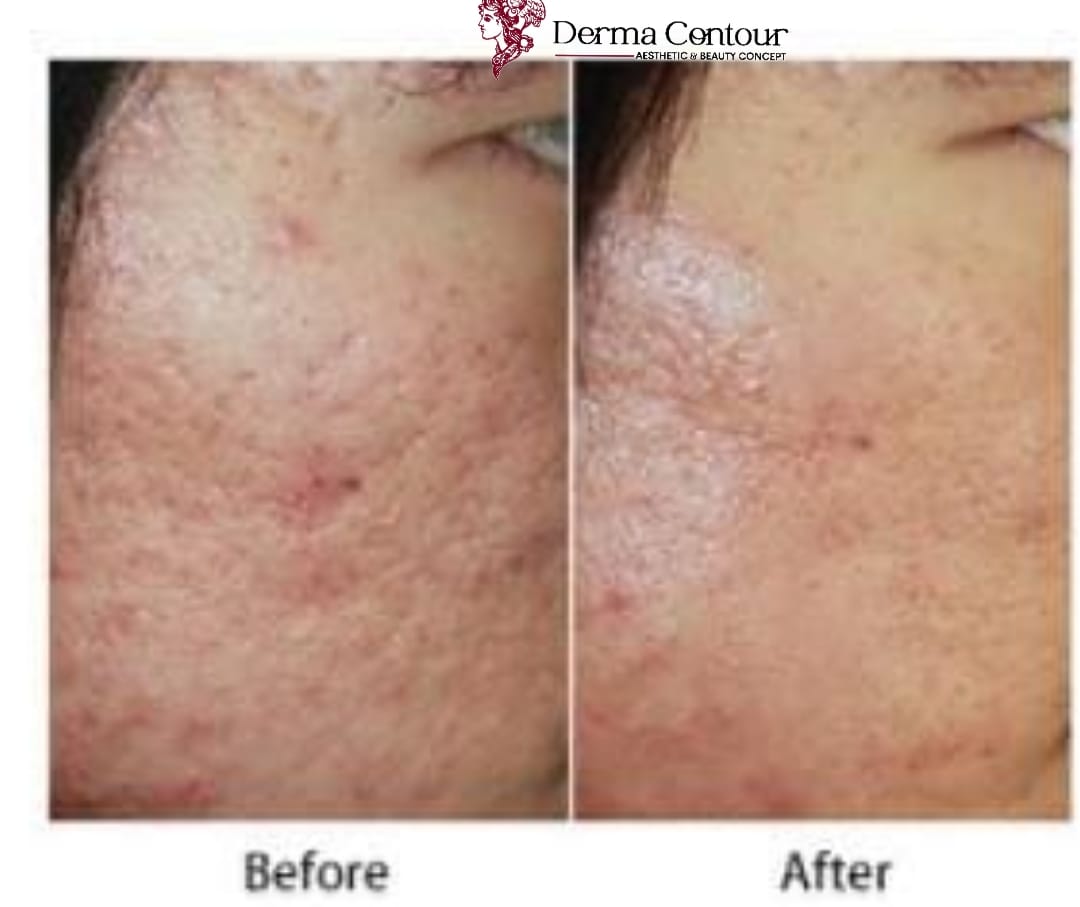
The term “chemical peel” often conjures images of red, peeling skin and days of social isolation—a scene straight out of Sex and the City. While deeper peels do involve significant recovery, the reality is that chemical peels are a highly versatile and customizable spectrum of treatments. From a “lunchtime peel” that gives you an instant glow to a deep resurfacing procedure that transforms skin texture, there is likely a peel for everyone. The key is understanding the “depth” of the peel and matching it to your skin’s needs.
The Depth Chart: Superficial vs. Medium vs. Deep Peels
A peel’s strength is classified by how deep it penetrates into the skin. Think of your skin in layers: the outermost epidermis, the underlying dermis (where collagen lives), and the deeper reticular dermis.
| Peel Depth | Layers Targeted | The “Vibe” | Downtime | Best For |
|---|---|---|---|---|
| Superficial (Light) | Epidermis only | “Lunchtime Peel” | None to minimal (light flaking) | Dullness, mild acne, rough texture, maintenance. |
| Medium | Entire epidermis to upper dermis | The “Long Weekend” Peel | 5-7 days of peeling, redness | Sun damage, pigmentation, fine lines, moderate acne scars. |
| Deep | Down to mid-dermis | The “Transformation” | 14+ days of intense redness and peeling; requires significant downtime | Deep wrinkles, severe sun damage, precancerous lesions. |
The Acid Arsenal: Glycolic, Salicylic, and TCA
The “magic” in the bottle comes from different acids, each with unique properties.
1. Glycolic Acid (The Anti-Ager)
-
Type: Alpha Hydroxy Acid (AHA)
-
Source: Derived from sugar cane.
-
Mechanism: It has the smallest molecular size of all AHAs, allowing it to penetrate the skin very easily. It works by breaking down the “glue” (desmosomes) holding dead, dull skin cells to the surface.
-
Best For:
-
Anti-aging: Stimulates collagen production over time, smoothing fine lines.
-
Sun Damage: Evens out skin tone and texture.
-
Dry Skin: Excellent for exfoliating dry, flaky complexions.
-
-
Depth: Can be used for superficial or medium-depth peels depending on concentration and pH.
2. Salicylic Acid (The Pore Cleanser)
-
Type: Beta Hydroxy Acid (BHA)
-
Source: Derived from willow bark.
-
Mechanism: It is oil-soluble. This allows it to penetrate deep into the pores, dissolving the sebum and dead skin cells that cause clogs. It is also anti-inflammatory.
-
Best For:
-
Acne & Oily Skin: Unclogs pores, reduces blackheads/whiteheads, and calms inflamed breakouts.
-
Rosacea: Low-concentration salicylic peels can help with the papules (bumps) associated with rosacea.
-
-
Depth: Primarily superficial, as it stays within the pore lining.
3. TCA (Trichloroacetic Acid) (The Pigment Eraser)
-
Type: A versatile, medium-depth agent.
-
Mechanism: It causes a controlled coagulation (precipitation) of skin proteins, leading to a more profound frost (the visual sign that the peel is working) and tissue destruction/remodeling than AHAs or BHAs.
-
Best For:
-
Pigmentation: Extremely effective at removing melasma, sunspots, and post-inflammatory hyperpigmentation.
-
Moderate Wrinkles: Creates significant new collagen formation.
-
Acne Scars: Helps smooth out shallow rolling scars.
-
-
Depth: Can be used for superficial to medium-depth peels. It is the gold standard for medium-depth resurfacing and can be layered or combined with other acids (like in the “Jessner’s peel”) to control depth.
Matching the Peel to the Problem
Choosing the right peel is a medical decision best made with a professional, but here is a general roadmap:
For Acne and Oily Skin:
-
Best Bet: A series of Salicylic Acid peels.
-
Why: The acid travels down the hair follicle to clear out the debris causing the acne. Its anti-inflammatory properties also help calm active red bumps.
For Pigmentation (Sunspots, Melasma):
-
Best Bet: TCA peels or combination peels (like a Jessner’s peel, which combines salicylic, lactic, and resorcinol to prep the skin before TCA).
-
Why: Pigment lives at the dermal-epidermal junction. A medium-depth peel is required to shed that pigmented layer and reveal fresh, unblemished skin below.
-
Warning: Melasma can be stubborn and sometimes triggered by inflammation. Aggressive peeling can sometimes worsen it, so a conservative approach with “color peels” (superficial TCA) is often used.
For Anti-Aging (Fine Lines, Dullness, Texture):
-
Maintenance: A series of Glycolic Acid peels (superficial) every 3-4 weeks will keep skin bright and stimulate a low level of collagen.
-
Correction: A single Medium-depth TCA peel can significantly smooth out fine lines around the eyes and mouth and improve skin laxity through significant collagen remodeling.
The Rules of Engagement: Pre- and Post-Care Guidance
The success of a chemical peel is 50% the procedure and 50% what you do before and after.
Pre-Peel Preparation (Priming)
This phase is crucial, especially for medium-depth peels or for treating melasma. It usually lasts 2-4 weeks.
-
Retinoids/Tretinoin: Often discontinued 3-7 days before the peel (as directed by your provider) to prevent over-exfoliation, but using them in the weeks prior thins the stratum corneum for a more even peel.
-
Hydroquinone or Brighteners: For pigmentation concerns, a provider may prescribe a bleaching cream (like hydroquinone) or brightening agents (kojic acid, vitamin C) for 2-4 weeks before the peel. This pre-treats the melanocytes and prevents the peel from causing reactive pigmentation.
-
Sun Protection is Non-Negotiable: You must wear daily SPF 30+ for weeks leading up to the peel. A sunburned or tanning bed-damaged face will peel unevenly and is at high risk for post-inflammatory hyperpigmentation.
Post-Peel Recovery (The Aftercare)
-
The “Do Nothing” Phase (Days 1-4): Gentle cleansing and a thick, bland moisturizer (like Vanicream, Cetaphil, or Aquaphor) are all you need. Do not pick, pull, or scratch at peeling skin—this causes scars.
-
The “New Skin” Phase (Days 5+): Once the peeling is complete, you are left with baby-new skin that is highly vulnerable.
-
The Golden Rule: Strict Sun Protection. This new skin is extremely sensitive to UV damage. Mineral-based sunscreens (zinc oxide/titanium dioxide) are often recommended as they are less irritating than chemical sunscreens. Failure to protect new skin can result in worse pigmentation than you started with.
The Bottom Line
Chemical peels are a powerful tool in the dermatology arsenal, ranging from gentle maintenance to dramatic resurfacing. While a superficial glycolic or salicylic peel can be a great entry point for glow-seekers and acne-prone patients, deeper TCA peels offer profound results for those willing to commit to the recovery. Always consult with a board-certified dermatologist or licensed aesthetician to determine which depth and which acid is right for your unique skin type and concerns.

