

RF Microneedling: The Ultimate Collagen Stimulator?
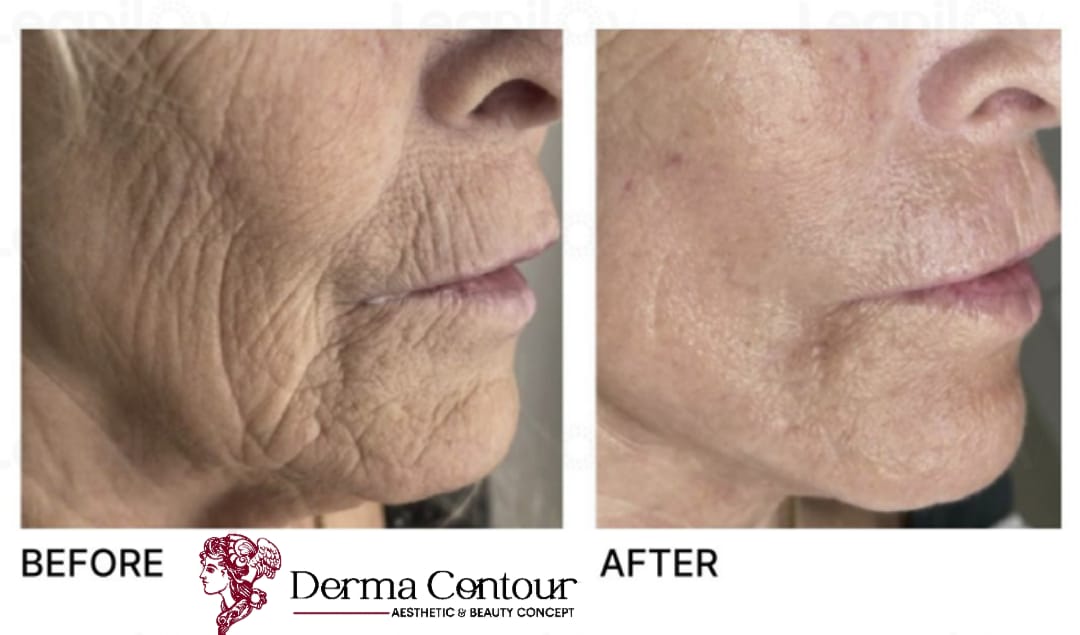
RF Microneedling: The Ultimate Collagen Stimulator? An In-Depth Look at Morpheus8 and Beyond
In the ever-evolving world of aesthetic medicine, few treatments have generated as much excitement—and controversy—as radiofrequency (RF) microneedling. With celebrities like Kim Kardashian and Lindsay Lohan praising devices like Morpheus8 for their ability to tighten, lift, and smooth skin, patients are increasingly seeking out this technology as a non-surgical alternative to facelifts .
But is RF microneedling truly the “ultimate collagen stimulator,” or are marketing claims outpacing the science? This article provides an in-depth, evidence-based exploration of how combining microneedling with radiofrequency energy improves acne scars, wrinkles, and skin laxity compared to traditional microneedling. We will examine the mechanisms of action, clinical evidence, safety considerations, and—most importantly—the anatomical limitations that every patient should understand before undergoing treatment.
Understanding the Technologies
Traditional Microneedling: The Foundation
Traditional microneedling, also known as collagen induction therapy, has been used for decades to rejuvenate skin . The procedure uses a device with fine needles to create controlled micro-punctures in the epidermis and superficial dermis. These tiny injuries trigger the body’s natural wound-healing response, stimulating fibroblasts to produce new collagen and elastin .
The benefits of traditional microneedling include:
-
Improved skin texture and firmness
-
Reduction in fine lines
-
Enhanced product absorption
-
Minimal downtime
-
Safety across all skin types (considered “colorblind” due to the absence of thermal energy)
However, traditional microneedling relies solely on mechanical injury. While effective, its effects are primarily limited to the depth the needles reach, and it does not provide the additional thermal stimulation that can enhance collagen contraction and remodeling .
RF Microneedling: Adding Energy to Injury
RF microneedling builds upon this foundation by adding radiofrequency energy to the equation. During treatment, insulated microneedles penetrate the skin and deliver controlled RF energy specifically from the needle tips into the dermis . This creates both:
-
Mechanical injury from the needle penetration
-
Thermal injury from the RF energy heating the tissue
The combination produces a more robust wound-healing response than either mechanism alone . Devices like Morpheus8 use gold-coated, insulated needles that protect the epidermis while delivering energy deep into the tissue—up to 7mm in some applications .
The Science: What Happens at the Cellular Level?
A pivotal 2025 histological study published in Lasers in Surgery and Medicine provides the most detailed understanding to date of how RF microneedling induces extracellular matrix remodeling .
Immediate Effects: Thermal Coagulation Zones
Using a porcine model, researchers demonstrated that RF microneedling creates distinct thermal coagulation zones in the dermis immediately after treatment. The size of these zones correlates directly with energy parameters—higher power and longer pulse durations produce larger coagulation areas (p < 0.05) .
These controlled zones of thermal damage are essential to the treatment’s efficacy. They signal to the body that significant repair is needed, triggering a cascade of regenerative events.
The Molecular Cascade: Days 7-28
At Day 7 post-treatment, researchers observed significant upregulation of matrix metalloproteinases (MMP-1, MMP-3, and MMP-13) in both treated and surrounding dermal regions (p < 0.01) . MMPs are enzymes that break down old, damaged collagen—a necessary first step in tissue remodeling.
More remarkably, the study detected significant expression of adipose-derived stem cell (ADSC) markers at Day 7 (p < 0.01) . This preliminary finding suggests that RF microneedling may recruit stem cells to participate in the regenerative process, potentially amplifying and prolonging the therapeutic effect.
By Day 28, a dramatic shift occurs:
-
Expression of most MMPs significantly decreases (p < 0.05), signaling the end of the breakdown phase
-
TGF-β, EGF, and Ki67 (proliferation markers) significantly increase (p < 0.05)
-
Collagen I and III densities and organization dramatically improve
The Collagen I/III Ratio: A Marker of Mature Skin
One of the most significant findings was the change in the collagen I/III ratio. Type III collagen is associated with early wound healing and younger skin, while Type I collagen provides mature structural strength. By Day 28, the Collagen I/III ratio rose to 7.05 ± 1.21 in the treatment area (p < 0.01) and 3.90 ± 0.37 in the surrounding dermis (p < 0.001) .
This shift toward a more mature collagen profile indicates that RF microneedling doesn’t just produce more collagen—it produces better quality, more structurally sound collagen that more closely resembles healthy, youthful skin.
Elastic fibers also showed increased density, suggesting improvements in skin resilience and recoil .
RF Microneedling vs. Traditional Microneedling: Comparative Efficacy
The Expert Perspective
According to Dr. Monica Li, clinical assistant professor at the University of British Columbia, the comparison between RF and traditional microneedling is nuanced: “The jury is still out, because it depends on which study or publication you’re looking at, but overall, it appears that there can be comparable results depending on how that treatment is being delivered for the patient with regards to the tool that is being used” .
This perspective is important—it suggests that for some patients and indications, traditional microneedling may be sufficient. However, for specific concerns requiring deeper remodeling, RF microneedling offers distinct advantages.
Where RF Microneedling Excels
| Concern | Traditional Microneedling | RF Microneedling | Why RF Excels |
|---|---|---|---|
| Acne Scars | Good for superficial texture | Excellent for deep rolling/boxcar scars | Thermal injury remodels scar tissue more effectively; deeper penetration reaches scar base |
| Skin Laxity | Mild improvement | Moderate to significant tightening | RF heat causes immediate collagen contraction and prolonged neocollagenesis |
| Wrinkles | Effective for fine lines | Better for deeper rhytides | Combination of mechanical + thermal stimulation produces more robust response |
| Pore Size | Modest improvement | Significant reduction | Thermal damage to sebaceous glands and surrounding dermis |
| Jawline Definition | Minimal effect | Noticeable contouring | Ability to target deeper tissues and stimulate some fat remodeling |
Patient-Reported Outcomes
A 2025 survey of over 400 patients who underwent energy-based facial treatments found that 32% of those seeking skin tightening had chosen Morpheus8 . Patient feedback highlighted:
-
Visible tightening of the lower face and neck
-
Reduced pore size lasting up to two years in some cases
-
Smoother skin texture
-
Improved acne scars
One 53-year-old patient reported after three sessions: “The results have been absolutely incredible—I look at least five years younger, particularly in my lower face, neck, and around my eyes” .
The Depth Debate: How Deep Should We Go?
Understanding Facial Anatomy
To understand the controversy surrounding RF microneedling, one must first understand facial anatomy. Dr. Amir Karam, a board-certified facial plastic surgeon, provides a critical perspective:
-
Total facial skin thickness: approximately 1-2mm, depending on location
-
Dermis thickness (where collagen is produced): 0.3-0.6mm below the surface
-
Beneath the skin: the hypodermis (subcutaneous fat)
Dr. Karam emphasizes: “Once RF microneedling goes deeper than about 1 mm, it’s no longer treating the skin itself; it’s being delivered directly into facial fat” .
The Fat Loss Concern
This anatomical reality raises a critical question: What happens when you deliver heat into fat?
Heat + fat = fat loss.
This equation explains why some patients experience:
-
Facial volume loss
-
Hollowing
-
Premature or accelerated aging
-
Irreversible changes
Dr. Karam’s practice takes an extremely conservative approach: “In my practice, RF microneedling should never exceed 0.5 millimeters. At 0.5 millimeters: You’re squarely within the dermis, you’re targeting collagen, not fat, you’re improving skin quality safely” .
A Different Perspective: Controlled Fat Remodeling
Other experts view deeper treatment differently. Dr. David Jack notes that Morpheus8’s ability to reach up to 7mm allows for targeted fat remodeling in specific areas :
-
Submental fat (double chin)
-
Jowls
-
Buccal fat pads
-
Body areas with stubborn fat pockets and accompanying skin laxity
The key distinction is intentionality. When a skilled practitioner deliberately targets fat in areas where reduction is desired, deeper treatment can be beneficial. Problems arise when providers use deep settings indiscriminately, attempting to chase “lifting” effects that the technology cannot deliver .
The FDA Warning
In March 2023, the FDA issued a safety communication regarding energy-based aesthetic devices, including RF microneedling systems. The agency highlighted that improper use—particularly excessive energy levels or deep needle penetration—can lead to:
-
Burns
-
Scarring
-
Nerve injury
-
Unintended fat loss
The FDA also emphasized that these devices are not approved to replace surgical skin tightening or lifting procedures .
Clinical Applications
Acne Scars: A Prime Indication
RF microneedling is particularly effective for acne scars, especially the deep rolling and boxcar scars that resist surface treatments . The mechanism differs from traditional microneedling in several ways:
-
Deeper penetration reaches the fibrotic scar tissue
-
Thermal injury helps break down abnormal collagen
-
Prolonged remodeling continues for months after treatment
-
Subcision effect from needles releases tethered scars
Men, who often have thicker skin and deeper scars, may benefit particularly from RF microneedling’s ability to penetrate more deeply while remodeling scar tissue .
Skin Tightening: Realistic Expectations
RF microneedling can produce meaningful skin tightening, but expectations must be realistic. Dr. Karam distinguishes between:
-
Skin quality (texture, tone, pore size, collagen density)—which RF microneedling can improve
-
Skin laxity (gravity, tissue descent, loss of structural support)—which requires surgical correction
“No non-surgical device can reverse gravity or reposition descended tissue,” Dr. Karam emphasizes. “Trying to force RF microneedling into a surgical role isn’t innovation. It’s a misunderstanding of anatomy” .
That said, for mild to moderate laxity—particularly in the lower face, jawline, and neck—patients often see noticeable improvement .
Wrinkles and Fine Lines
For dynamic wrinkles caused by collagen loss and photoaging, RF microneedling offers significant improvement. The dual mechanism stimulates new collagen formation while the immediate heat contraction provides some instant tightening .
Body Applications
RF microneedling has expanding applications for body concerns:
-
Stretch marks: Dermal remodeling can improve texture and color
-
Post-pregnancy laxity: Particularly on abdomen
-
Post-bariatric skin: For patients with weight loss and mild-to-moderate laxity
-
Cellulite: Some improvement in dimpling
For body treatments, 3-4 sessions are typically recommended, spaced monthly .
Treatment Protocols and Expectations
Number of Sessions
| Indication | Typical Sessions | Interval |
|---|---|---|
| Skin tightening/rejuvenation | 2-3 | 4 weeks |
| Acne scars | 3-4 | 4-6 weeks |
| Body treatments | 3-4 | 4-6 weeks |
| Maintenance | 1-2 per year | Annual |
The Treatment Experience
Duration: 30-60 minutes depending on treatment area
Pain management: Topical numbing cream applied for 30-90 minutes prior to treatment. Some practitioners use local anesthetic injections for body treatments .
Sensation: Patients describe a feeling of heat and pressure with each pulse, sometimes compared to a hot rubber band snap . Despite the discomfort, one patient noted, “The pain wasn’t as bad as I thought it would be, and the results made me really happy” .
Immediate Post-Treatment
Immediately after treatment, skin appears red and swollen, similar to a moderate sunburn. Tiny pinpoint marks may be visible where needles entered the skin .
Downtime: 1-3 days of visible redness. Some patients experience mild flaking or dryness as skin renews .
Aftercare Essentials
To optimize results and minimize complications :
-
Days 1-2: No makeup; gentle cleansing only; apply healing ointment as recommended
-
Days 3-7: No retinoids, AHAs, or exfoliants; mineral makeup may be resumed
-
Ongoing: Strict sun protection (SPF 50+); avoid strenuous exercise and heat (saunas, hot yoga) for 48 hours
-
Long-term: Consistent skincare with proven active ingredients supports and prolongs results
Results Timeline
-
Immediate: Some visible tightening from collagen contraction
-
2-4 weeks: Initial improvements in texture and tone
-
8-12 weeks: Progressive tightening and scar improvement
-
3-6 months: Peak collagen remodeling
Longevity of Results
With a full treatment course, results typically last 6-12 months with proper skin maintenance . Some patients report benefits lasting longer—one 49-year-old noted smaller pores even two years after treatment .
Annual maintenance sessions help sustain results .
Safety Considerations
Skin Type and Pigmentation Risk
Traditional microneedling is considered “colorblind” because it uses no thermal energy, making it extremely safe for all skin types . RF microneedling, while generally safe for darker skin tones (Fitzpatrick IV-VI) because the RF energy is not chromophore-dependent like laser, still carries some risk of post-inflammatory hyperpigmentation if settings are too aggressive or aftercare is neglected .
Who Is NOT a Good Candidate?
RF microneedling may not be suitable for:
-
Patients with active acne infections (acne should be stabilized first)
-
Individuals with metal implants near treatment areas
-
Those with unrealistic expectations about what non-surgical treatment can achieve
-
Patients seeking facelift-level results for significant laxity
-
Individuals unwilling to accept downtime or follow post-treatment protocols
The Provider Factor
The single most important factor in safe, effective RF microneedling is provider expertise. Dr. Karam emphasizes: “Precision, not intensity, is what determines whether RF microneedling helps or harms the skin” .
When choosing a provider, consider:
-
Medical credentials (board certification)
-
Experience with your skin type and concern
-
Conservative approach to depth and energy
-
Transparent discussion of risks and realistic outcomes
-
Before-and-after photos of actual patients
The Controversy: Is RF Microneedling Overhyped?
The Surgical Reality Check
The most significant controversy surrounding RF microneedling is the gap between marketing claims and anatomical reality. Dr. Karam is blunt: “RF microneedling is often advertised as an alternative to a non-surgical facelift. This is where confusion begins” .
He continues: “Skin rejuvenation and skin laxity are not the same problem. Skin quality refers to texture, tone, pore size, and collagen density. Laxity refers to gravity, tissue descent, and loss of structural support. No non-surgical device can reverse gravity or reposition descended tissue” .
When Marketing Drifts from Science
The “non-surgical facelift” label creates unrealistic expectations. When patients believe a device can lift like surgery, they may accept aggressive settings that increase risk without improving results .
Dr. Jack acknowledges this concern while presenting a more balanced view: “By treating the skin correctly, where fat loss is not desired—there is virtually no risk of unwanted fat loss, aligning with the scientific literature on this treatment” .
The key takeaway: RF microneedling is excellent for skin optimization, but it is not a substitute for structural correction .
The “More Is Better” Myth
One of the most dangerous misconceptions is that increasing energy, depth, or intensity automatically improves results. Dr. Karam explains: “With RF microneedling, this assumption breaks down quickly. Once treatment moves beyond the dermis, additional depth and power no longer improve skin quality. They simply shift the treatment into tissue it was never intended to target” .
Making an Informed Decision
Questions to Ask Your Provider
Before undergoing RF microneedling, consider asking:
-
What depth will you use on my specific concern, and why?
-
What energy settings do you recommend, and what evidence supports this?
-
How many sessions will I need for my goals?
-
What are the specific risks for my skin type and treatment area?
-
Can I see before-and-after photos of patients with similar concerns?
-
How do you manage pain during treatment?
-
What is your approach to preventing unwanted fat loss?
-
Is traditional microneedling a better option for my concerns?
Red Flags
Be cautious if a provider:
-
Promises “facelift-like” results
-
Recommends very deep treatment without clear rationale
-
Cannot explain the anatomical basis for their approach
-
Minimizes risks or dismisses concerns about fat loss
-
Pressures you into multiple sessions without adequate consultation
-
Has limited experience with your skin type
Conclusion
RF microneedling, exemplified by technologies like Morpheus8, represents a significant advancement in non-surgical skin rejuvenation. The scientific evidence—including recent histological studies—confirms that combining mechanical injury with controlled thermal damage produces robust collagen remodeling, improves the collagen I/III ratio toward a more mature profile, and may even recruit stem cells to participate in regeneration .
For specific concerns—particularly acne scars, skin texture, pore size, and mild-to-moderate skin laxity—RF microneedling offers advantages over traditional microneedling alone . Patient-reported outcomes are generally positive, with many noting visible improvement in firmness, smoothness, and overall skin quality .
However, the technology has anatomical limits that no amount of marketing can overcome. It is not a facelift alternative, cannot reverse significant tissue descent, and when used aggressively or without anatomical understanding, carries real risks including unwanted fat loss and premature aging .
The Balanced View
Is RF microneedling the “ultimate collagen stimulator”? For many patients, it may be the most effective non-surgical option for achieving meaningful collagen induction. The science supports its ability to produce significant, durable improvements in skin quality.
But “ultimate” implies superiority in all contexts—and here, nuance matters. For patients who achieve excellent results with traditional microneedling, the added heat of RF may be unnecessary . For those seeking structural lifting, surgery remains the gold standard .
The most successful outcomes occur when:
-
Patient expectations align with anatomical reality
-
Providers respect tissue boundaries
-
Treatment is viewed as part of a comprehensive skin health strategy including sun protection, quality skincare, and healthy lifestyle habits
As Dr. Karam wisely concludes: “Education protects results. Respecting anatomy preserves youth”

