

Hyperpigmentation & Melasma: Advanced Treatment Options
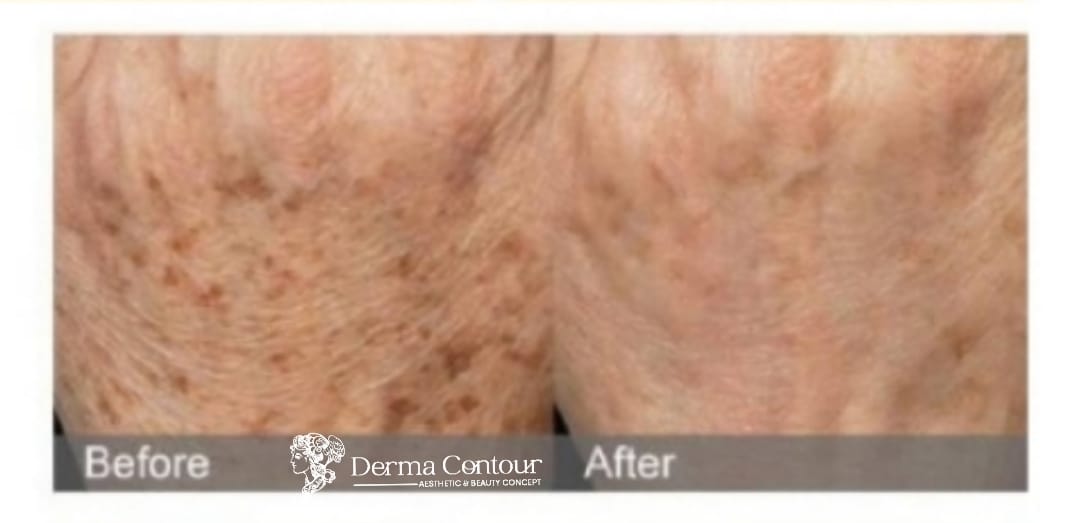
Understanding the Causes of Pigmentation
To understand how to treat pigmentation, it’s essential to understand why it happens. Pigmentation disorders are primarily caused by an overproduction or uneven distribution of melanin, the pigment responsible for skin color. This process is complex and can be triggered by several factors:
-
UV Exposure (The Primary Trigger): Ultraviolet (UV) radiation from the sun is the most significant culprit. It damages skin cells (keratinocytes), which in turn signal melanocytes (the pigment-producing cells) to produce more melanin as a defense mechanism. This often results in uneven pigmentation like sunspots (solar lentigines) and a general dullness.
-
Hormonal Influences: Hormones can dramatically influence melanin production. This is the driving force behind melasma, which is often triggered by estrogen and progesterone surges during pregnancy (the “mask of pregnancy”), from oral contraceptives, or hormone replacement therapy.
-
Inflammation (Post-Inflammatory Hyperpigmentation – PIH): Any injury or inflammation to the skin can trigger hyperpigmentation. This includes acne lesions, eczema, burns, cuts, or even aggressive cosmetic procedures. PIH is more common in darker skin tones (Fitzpatrick skin types III-VI).
-
Genetics: A person’s genetic makeup determines their skin type, how their melanocytes respond to triggers, and their predisposition to conditions like melasma.
-
Aging: Over time, the cumulative effect of sun exposure and hormonal changes leads to an increase in localized pigmented spots and an uneven skin tone.
Comparing Advanced Treatment Options
A multi-modal approach is almost always the most effective strategy for treating pigmentation. This typically involves combining topical regimens with in-office procedures.
1. Topical Regimens (The Foundation)
Topicals are the cornerstone of any pigmentation treatment. They work by slowing melanin production, accelerating cell turnover, and protecting the skin from future damage.
-
Key Ingredients:
-
Hydroquinone: The “gold standard” for years. It works by inhibiting the enzyme tyrosinase, which is crucial for melanin production. It is a prescription-only medication in many countries due to potential side effects (like ochronosis) with long-term use. Best used for short-term, controlled treatment (usually 3-4 months at a time).
-
Tyrosinase Inhibitors (Alternatives to Hydroquinone): These are safer for long-term use and include:
-
Kojic Acid: Derived from mushrooms, a natural tyrosinase inhibitor.
-
Tranexamic Acid: Effective for melasma, it works by reducing inflammation and the blood vessel component that can stimulate melanocytes. Available topically and orally (prescription).
-
Azelaic Acid: A dicarboxylic acid that is a gentle but effective tyrosinase inhibitor, safe for pregnancy and darker skin tones.
-
Vitamin C (L-Ascorbic Acid): A potent antioxidant that inhibits melanin production and brightens the skin. It also provides crucial protection against UV-induced free radicals.
-
-
Retinoids (Tretinoin, Retinol): These increase skin cell turnover, helping to shed pigmented cells more quickly and allowing other lightening agents to penetrate more effectively. They can be irritating, so introduction must be gradual.
-
Niacinamide (Vitamin B3): Works by inhibiting the transfer of melanosomes (melanin packets) from melanocytes to skin cells, preventing pigmentation from becoming visible.
-
Comparison: Topicals are essential for maintenance and prevention but are slow-acting. They are the safest first-line defense.
2. Chemical Peels
Chemical peels involve applying a chemical solution to exfoliate the skin, removing the outer layers where pigmentation resides and stimulating new skin growth.
-
How they work: They cause a controlled wound, prompting skin regeneration. Superficial peels target the stratum corneum, while medium-depth peels reach the papillary dermis.
-
Common Acids:
-
Alpha-Hydroxy Acids (AHAs): Like Glycolic and Lactic acid. They are excellent for superficial exfoliation and brightening.
-
Beta-Hydroxy Acids (BHAs): Like Salicylic acid, which is oil-soluble and great for targeting pigmentation associated with acne (PIH).
-
Trichloroacetic Acid (TCA): Used in various strengths for medium-depth peeling, effective for more stubborn sunspots.
-
-
Comparison: Chemical peels offer faster results than topicals alone. However, they require significant expertise. If too aggressive, they can cause further inflammation and worsen PIH, especially in darker skin types. A series of lighter peels is often safer and more effective than one deep peel for general dyschromia.
3. IPL Photofacial (Intense Pulsed Light)
IPL is not a laser but a broad-spectrum, high-intensity light source. It uses multiple wavelengths to target various chromophores in the skin.
-
How it works: In the context of pigmentation, IPL targets the melanin in pigmented lesions. The light energy is absorbed by the melanin, converting to heat, which destroys the pigmented cell. The body then naturally eliminates this debris, causing the spot to flake off or fade.
-
Comparison: IPL is excellent for treating diffuse redness (rosacea) and widespread, superficial brown spots like sun damage (solar lentigines) in lighter skin types.
-
Limitations: Because it uses a broad spectrum of light, it can be less precise than a laser. It carries a higher risk of burning or paradoxically darkening pigmentation in tanned or darker skin (Fitzpatrick IV-VI) because the light energy is also absorbed by the background skin pigment. It is not a first-line treatment for melasma, as the heat can often aggravate the condition.
Summary Comparison Table
| Treatment | Mechanism of Action | Best For | Speed of Results | Key Considerations |
|---|---|---|---|---|
| Topical Regimens | Inhibit melanin production, increase cell turnover, protect from UV. | All types of pigmentation, maintenance, prevention. | Slow (weeks to months) | The essential foundation. Safe for long-term use with non-hydroquinone ingredients. |
| Chemical Peels | Chemically exfoliate pigmented layers of skin. | Superficial PIH, sun damage, uneven texture. | Moderate (days to weeks) | Requires expertise; risk of PIH if too aggressive. Series recommended. |
| IPL Photofacial | Targets melanin with broad-spectrum light, destroying pigmented cells. | Superficial sunspots (lentigines), diffuse redness with brown spots. | Fast (days to 1-2 weeks) | Best for lighter skin. High risk of worsening melasma. Not for tanned skin. |
The Melasma Challenge: Why Cautious Treatment is Crucial
Melasma is a chronic, relapsing condition that requires a distinctly different and far more cautious approach than other forms of hyperpigmentation. Here’s why:
-
The “Moth” Analogy: Dr. Pearl Grimes, a renowned pigmentation expert, famously described treating melasma like “chasing a moth with a flame.” Aggressive treatments that generate heat (like IPL, some lasers, and deep chemical peels) can act as the “flame,” causing inflammation that actually stimulates the already overactive melanocytes, leading to a severe rebound effect where the pigmentation returns darker and more stubborn than before.
-
Complex Pathology: Melasma is not just about excess melanin in the epidermis (top layer). It often has a vascular component (increased blood vessels) and a dermal component (melanin deeper in the skin). IPL and many lasers primarily target the epidermal component and can inadvertently stimulate the dermal component or the vascular supply.
-
Chronic and Relapsing: There is no “cure” for melasma. The goal is management and control. This requires a long-term commitment to strict sun protection and a gentle, consistent skincare routine. Any aggressive treatment can disrupt this control and trigger a flare-up.
The Recommended Approach for Melasma
-
Gold Standard Foundation: Strict sun protection (high-protection, broad-spectrum sunscreen combined with physical blockers like zinc oxide and titanium dioxide, plus hats and seeking shade) and a gentle, non-irritating topical regimen (using tyrosinase inhibitors like azelaic acid, kojic acid, or tranexamic acid).
-
Oral Medications: In stubborn cases, oral tranexamic acid (prescribed by a dermatologist) has shown significant promise in reducing melasma by targeting the vascular and inflammatory pathways.
-
“Cold” Energy Devices: If in-office procedures are considered, the focus is on non-heat-based technologies.
-
Picosecond Lasers: These deliver ultra-short pulses of energy that shatter pigment particles into tiny fragments without generating significant heat, making them a safer option for melasma than nanosecond (Q-switch) lasers or IPL.
-
Low-Fluence Q-Switched Lasers: When used at very low, non-thermal settings, these can be effective but require an expert operator to avoid overheating the skin.
-
-
Procedures to Avoid or Use with Extreme Caution: IPL, high-fluence Q-switched lasers, fractional ablative lasers (like Fraxel Repair), and medium-to-deep chemical peels.
In conclusion, treating pigmentation is a science that requires an accurate diagnosis and a tailored plan. While sunspots and PIH often respond well to a combination of topicals and light-based therapies, melasma demands a more conservative, heat-free strategy focused on long-term management to prevent its notoriously stubborn recurrence.

