

Acne Scar Revision: From Subcision to Laser
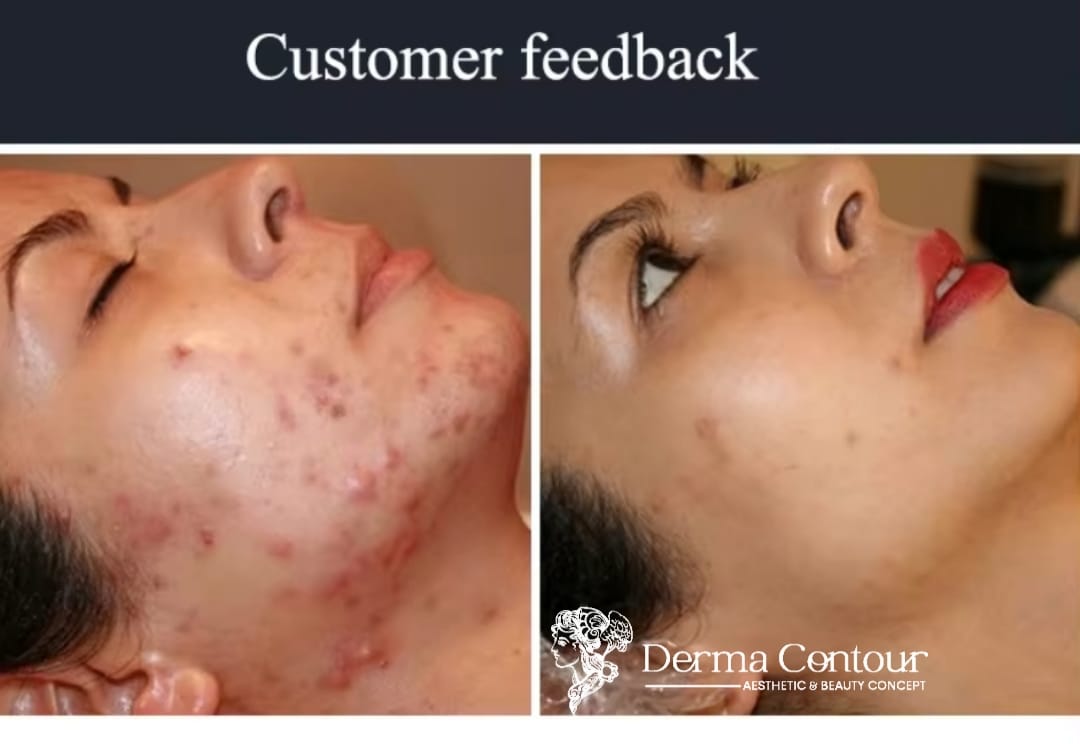
A Comprehensive Guide to Acne Scar Revision: From Subcision to Laser
Acne is a common skin condition, but for many, the battle doesn’t end when the pimples fade. The aftermath—acne scars—can be a persistent and distressing reminder. Fortunately, the field of dermatology has advanced significantly, offering a range of powerful treatments. Modern acne scar revision is rarely about a single procedure; instead, it focuses on combination therapy to address the unique characteristics of each scar type.
This guide will walk you through the different classes of acne scars and explain how two cornerstone treatments, Subcision and Fractional Laser Therapy, work in tandem to restore smoother, clearer skin.
Part 1: Understanding the Enemy – Types of Acne Scars
To effectively treat a scar, you must first understand its structure. Acne scars are generally divided into two categories: atrophic (depressed, or sunken into the skin) and hypertrophic (raised, or thick, lumpy scar tissue). The vast majority of acne scars are atrophic, and they come in three primary shapes.
1. Ice Pick Scars
-
Description: These are narrow, deep scars that extend into the dermis. They look as if the skin has been punctured by a sharp instrument—like an ice pick. The opening is typically small (less than 2mm), but the scar widens as it goes deeper.
-
Formation: They occur when an inflammatory acne lesion (like a cyst) collapses into a tunnel-like scar. The skin tissue is destroyed, creating a steep, V-shaped depression.
-
Best Treatment Approach: Because of their depth, superficial treatments are ineffective. Ice pick scars often require techniques that either physically remove the scar tract (like punch excision) or stimulate deep collagen remodeling.
2. Rolling Scars
-
Description: These scars create a wave-like, undulating appearance on the skin’s surface. They are broad depressions with sloping, rounded edges. The skin can appear uneven and “rolling” rather than having distinct, sharp holes.
-
Formation: Rolling scars are caused by fibrous bands of tissue that form between the deeper dermis and the subcutaneous tissue below. These tethering bands pull down on the surface of the skin, creating the rolling contour as they attach to the underlying structures.
-
Best Treatment Approach: The key to treating rolling scars is to release the fibrous bands that are pulling the skin down. This requires a physical approach before any skin resurfacing is done.
3. Boxcar Scars
-
Description: These are broad, depressed scars with well-defined, sharp, vertical edges. They look similar to chickenpox scars. They are wider than ice pick scars (2-4mm or more) and have a U-shape rather than a V-shape.
-
Formation: Boxcar scars result from the destruction of collagen, leaving a sunken area. Unlike rolling scars, they are not typically caused by tethering bands but by a focal loss of tissue.
-
Best Treatment Approach: Treatment focuses on re-contouring the edges and stimulating collagen production in the base to lift the depression to the level of the surrounding skin.
Part 2: The Power Duo – Subcision and Fractional Laser
Given the distinct physical causes of these scars, no single laser or treatment can fix them all. This is where the concept of a synergistic treatment plan comes into play, often starting with Subcision and followed by Fractional Laser Therapy.
Treatment 1: Subcision (The Foundation)
What is it?
Subcision is a minor surgical procedure designed specifically to treat rolling scars. It directly addresses the fibrous tethers that cause the skin to roll and depress.
How it Works:
-
Numbing: The treatment area is first numbed with a local anesthetic.
-
Insertion: A specialized needle (like a Nokor or hypodermic needle) is inserted through a tiny puncture in the skin’s surface, just next to the scar.
-
Release: The needle is advanced into the layer between the dermis and the subcutaneous fat. It is then moved in a fanning motion to break up the fibrous bands that are tethering the scar down.
-
The Result: Once these bands are released, the depressed scar tissue is freed and can float back up to the surface, creating an immediate (though often temporary due to swelling) improvement. This process creates a controlled injury, which triggers the body’s natural wound-healing response, leading to the production of new collagen.
Why it’s a Crucial First Step: Without releasing the tethers first, any resurfacing treatment performed on top of them would be like sanding down a dented piece of wood without fixing the dent from underneath. The surface might look smoother, but the fundamental depression would remain.
Treatment 2: Fractional Laser Therapy (The Refinement)
What is it?
Fractional laser therapy is a non-invasive or minimally invasive treatment that uses laser energy to resurface the skin. It is highly effective for boxcar and the superficial aspects of ice pick and rolling scars.
How it Works:
A fractional laser creates thousands of tiny, deep columns of thermal injury in the skin, known as Microthermal Treatment Zones (MTZs). These zones are surrounded by healthy, untreated skin, which allows for rapid healing.
-
The “Fractional” Concept: By treating only a fraction of the skin at a time, the recovery is much faster than with older, fully ablative lasers.
-
Two Main Types:
-
Ablative Fractional Lasers (e.g., CO2, Erbium YAG): These vaporize the top layers of skin and the columns of tissue. They are more aggressive, offer dramatic results for deep scarring and textural changes, and require a longer downtime (1-2 weeks).
-
Non-Ablative Fractional Lasers (e.g., Fraxel Restore, Clear + Brilliant): These heat the underlying dermis without damaging the top layer of skin. They stimulate collagen remodeling over time with minimal to no downtime. They are better for mild to moderate scars and maintenance.
-
Why it’s the Perfect Follow-Up:
After subcision has released the tethered scars, the skin’s surface is now in a better position but may still be uneven. Fractional laser therapy then works to:
-
Smooth the Surface: It resurfaces the skin, refining the edges of boxcar scars and improving overall skin texture.
-
Stimulate Deep Collagen: The laser energy penetrates deep into the dermis, jumpstarting a powerful collagen remodeling process that fills in the scars from the inside out over several months.
-
Treat Multiple Scar Types: While subcision is the star for rolling scars, fractional laser is excellent for the broad, defined depressions of boxcar scars and can help soften the edges of ice pick scars.
Part 3: The Combined Treatment Protocol – A Step-by-Step Approach
A typical combination treatment plan is tailored to the individual, but a common and highly effective protocol looks like this:
Phase 1: Consultation and Mapping
A dermatologist assesses your skin, identifies the predominant scar types, and creates a customized treatment plan. This plan will map out which scars will be treated with subcision and how the laser will be used to address the overall skin texture and remaining imperfections.
Phase 2: The Subcision Session
-
Subcision is performed to release fibrous bands, primarily for rolling scars.
-
The doctor may also use a technique called “Cannula Subcision” for broader areas, which can be less traumatic.
-
Recovery: Expect bruising, swelling, and tenderness for about 1-2 weeks. This is a normal part of the healing process. The full results of collagen stimulation from subcision take 3-6 months to become apparent.
Phase 3: The Laser Series
-
Once the skin has fully healed from subcision (usually 4-6 weeks later), the first fractional laser session can be scheduled.
-
A series of 3-5 laser sessions, spaced 4-6 weeks apart, is typically recommended for optimal results.
-
Recovery: Downtime varies. With an ablative laser, you can expect redness, swelling, and peeling for 5-10 days. With non-ablative, you might have redness for a few days, like a mild sunburn.
Phase 4: Maintenance
To maintain results, patients may require a touch-up laser session once a year. A consistent skincare routine with sunscreen, retinoids, and good hydration is essential to protect the investment in your skin.
Part 4: The Importance of “Full-Face” vs. “Spot” Treatment
A crucial principle in modern acne scar revision is treating the entire face or aesthetic unit, not just the individual scar.
-
Subcision: While targeting specific tethered scars, the process of collagen induction affects a broader area, leading to overall skin rejuvenation.
-
Fractional Laser: The magic of fractional laser is that it creates thousands of micro-wounds across the entire treatment area. This stimulates a “full-face” collagen remodeling response, which not only smooths scars but also improves overall skin tone, tightness, and texture. Spot-treating can lead to an uneven result, whereas full-face treatment creates a harmonious and natural-looking improvement.
Conclusion: Patience and Partnership
Acne scar revision is a journey, not a race. It requires a partnership with a skilled dermatologist who understands the art and science of combination therapy. By first releasing tethered scars with Subcision and then refining the surface and building new collagen with Fractional Laser Therapy, patients can achieve dramatic, long-lasting improvements that were unimaginable just a generation ago. If you are struggling with acne scars, seek a consultation to discuss how these powerful tools can be combined to help you achieve smoother, more confident skin.

