

Stretch Marks Repair: Can We Really Fade Striae?
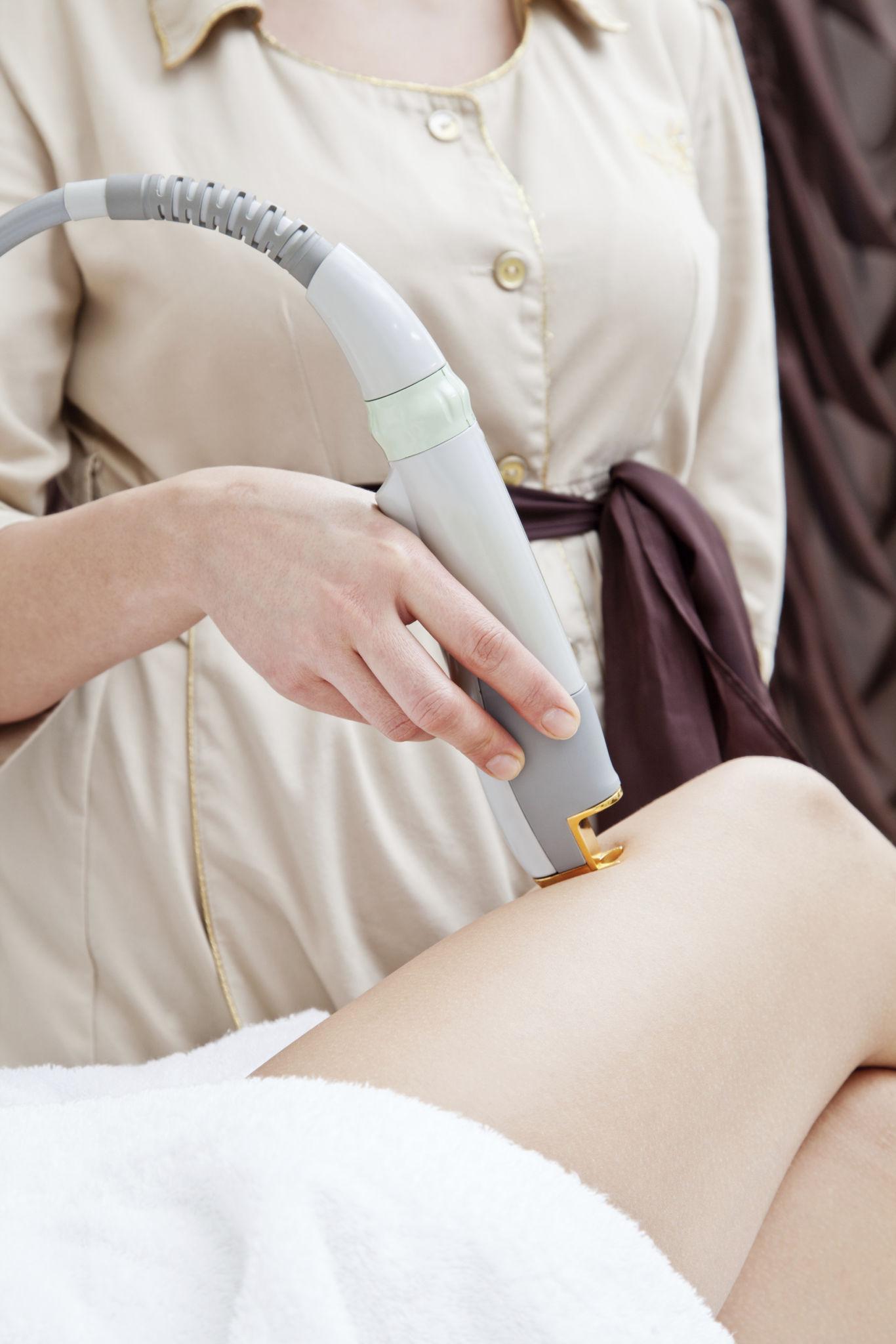
If you have ever run your fingers over the silvery lines on your hips, thighs, or belly and wondered if they will ever fade, you are not alone. Stretch marks, clinically known as striae distensae, affect millions of people. They are a natural result of rapid skin stretching (think puberty, pregnancy, or muscle gain), but that doesn’t mean we have to just “live with them” if they bother us.
The good news? Modern aesthetic technology has evolved significantly. We can no longer erase stretch marks completely, but we can dramatically improve their color, width, and texture. The key to understanding treatment lies in the color of your marks.
In this post, we’ll break down the difference between Striae Rubra (red) and Striae Alba (white), and explore two of the gold-standard treatments: Fractional CO2 Laser and RF Microneedling.
Part 1: Red vs. White – The Biology of a Stretch Mark
To understand treatment, we must first understand the timeline of a stretch mark. Biologically, a stretch mark is a form of scarring caused by the rapid tearing of the dermis (the middle layer of skin).
Striae Rubra (The “Red” Stage)
-
Appearance: Red, pink, or purplish lines. They may feel slightly raised or itchy.
-
The Science: In this early stage (usually less than a year old), the skin is inflamed. The tearing has occurred, and blood vessels are visible beneath the thin skin. Because there is still blood flow and inflammation, these marks are actually easier to treat. We want to capitalize on the remaining vascular activity and collagen potential.
-
Goal of Treatment: Reduce inflammation, calm the redness, and stimulate collagen while the skin is still “active.”
Striae Alba (The “White” Stage)
-
Appearance: Pale, silvery, or white lines. They are often flat or slightly depressed (atrophic) and have a different texture than the surrounding skin.
-
The Science: This is the mature stage. The inflammation has subsided, and the blood vessels have constricted. The mark is now hypopigmented (lacking melanin) and is essentially a scar. Because the blood supply has diminished, these are historically harder to treat.
-
Goal of Treatment: Rebuild collagen to fill the depression and stimulate melanocytes to help the color blend better with the surrounding skin.
Part 2: The Tools of the Trade
So, how do we trick mature scar tissue into behaving like healthy skin? We have to injure it in a controlled way to trigger the body’s natural wound-healing response. Here are the two heavy hitters in stretch mark revision.
1. Fractional CO2 Laser
This is an ablative laser, meaning it removes thin layers of skin tissue.
-
How it works: The laser creates microscopic “columns” of injury deep into the dermis, while leaving the surrounding skin intact. These tiny wounds trigger a massive healing response, replacing old scar tissue with fresh, new collagen and elastin.
-
Best for: Texture. It is exceptional at smoothing out the “crinkly” or depressed surface of Striae Alba. It also helps heat the dermis to stimulate remodeling.
-
The Pigmentation Factor: For Striae Rubra, the laser’s energy can target the hemoglobin (redness) to reduce inflammation. For Striae Alba, the resurfacing effect encourages the migration of melanocytes, helping the white lines darken slightly to match the natural skin tone.
2. RF Microneedling
This treatment combines physical puncture with radiofrequency energy.
-
How it works: A pen with tiny needles inserts into the skin at a precise depth (usually 1.5mm to 3.5mm for stretch marks). As the needles puncture, they emit radiofrequency energy from the tips, heating the deep dermis without burning the top layer of skin (epidermis).
-
Best for: Depth and safety. Because it spares the top layer, it is excellent for all skin types (including darker skin tones, where lasers carry a risk of hyperpigmentation). The heat creates intense collagen contraction and tightening.
-
The Pigmentation Factor: The needles break up old scar tissue, and the RF energy shrinks the tissue, effectively “filling in” the valley of the stretch mark over time.
Part 3: Before & After Expectations
It is vital to have realistic expectations. Stretch marks will not disappear 100%, but they can become 90% less noticeable.
-
Texture: You can expect the skin to feel smoother. The sharp “ridge” of the stretch mark will soften and blend into the surrounding skin.
-
Color:
-
Red Marks: You should see a significant reduction in redness, often fading to a light pink or skin tone within weeks of the first session.
-
White Marks: This is where patience is key. The marks may initially look the same, but over 3-6 months, they should “fill in” and darken slightly as new melanin is produced, making them less stark against your skin.
-
-
Width: The marks may become narrower as the collagen contracts and tightens the skin.
A typical course is 3 to 4 sessions, spaced 4 to 6 weeks apart. Results are cumulative.
Part 4: Downtime and Recovery
This is where you need to plan your social calendar.
Fractional CO2 Laser Downtime
-
Immediate: The skin will feel like a sunburn. You will be red and swollen.
-
Days 1-3: The skin will “bronze” and become rough, like sandpaper. Tiny micro-tissue debris will shed. You must not pick at it.
-
Days 4-7: The shedding subsides, revealing new pink skin underneath.
-
The “Pink” Phase: You will likely be pink for 2-4 weeks post-treatment, easily covered by mineral makeup.
-
Who it’s for: Best for patients who can take a week off from social events.
RF Microneedling Downtime
-
Immediate: Significant redness and warmth, similar to a moderate sunburn. You may have pinpoint bleeding or tiny bruises.
-
Days 1-3: Redness persists but can usually be covered with makeup after 24-48 hours. The skin may feel tight and dry.
-
Days 3-5: Redness fades to a pink glow.
-
Who it’s for: The “lunchtime procedure” for some (though redness varies). You can usually return to work in 2-3 days.
Conclusion: The Verdict on Repair
Can we really fade striae? Yes, absolutely.
While we cannot erase the memory of the stretch, we can remodel the scar tissue. The journey depends on the age of your marks:
-
For new, angry red marks (Striae Rubra): Act quickly! Laser therapy can calm inflammation and prevent them from maturing into tough white scars.
-
For old, white marks (Striae Alba): Patience is your virtue. Using RF Microneedling or Fractional CO2, you can rebuild the foundation of the skin, filling in the valley and restoring a pigment match.
If you are considering treatment, consult with a board-certified provider who can look at your skin tone and your specific stretch marks to determine whether laser or radiofrequency is the safest and most effective path for you.
Have you tried treatments for stretch marks? Let us know in the comments below!

