

Men in Aesthetics: The Rise of Male Cosmetic Treatments
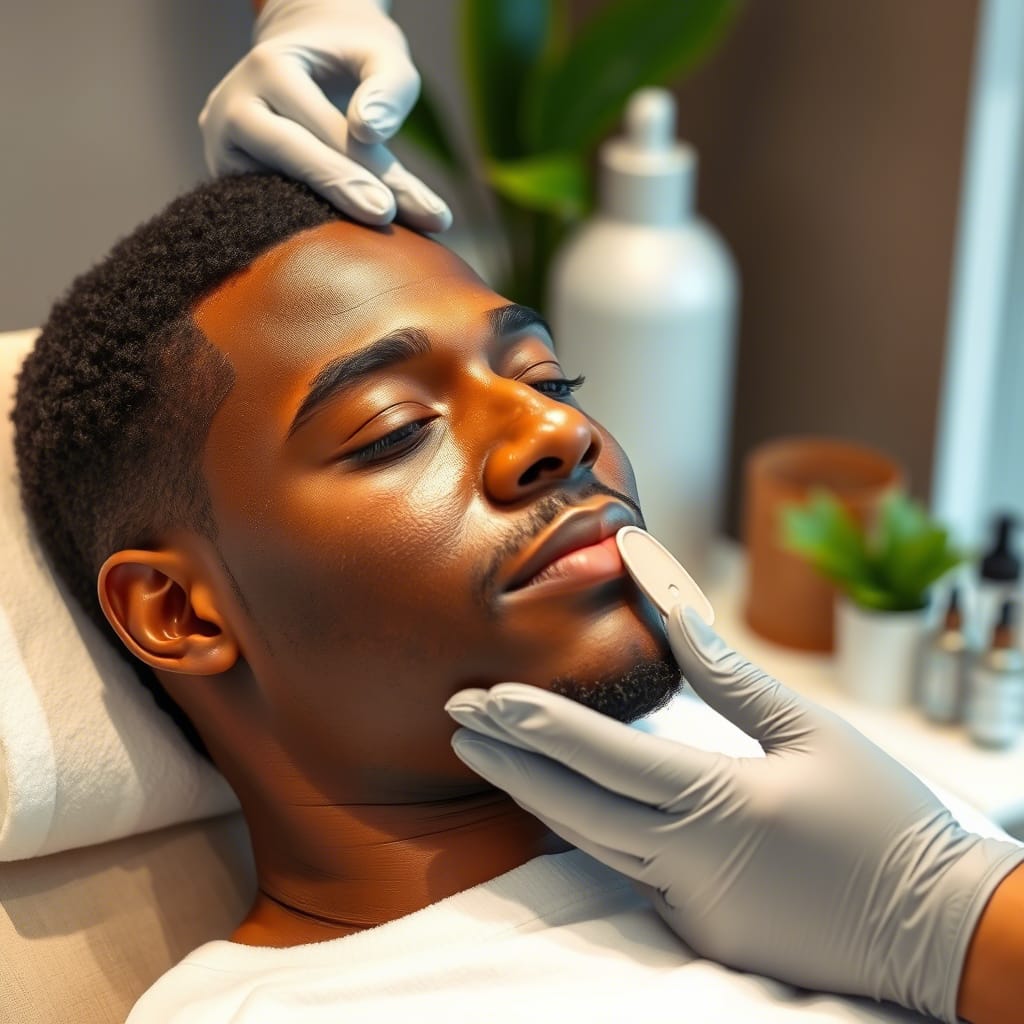
The landscape of cosmetic treatments is undergoing a significant shift, with more men than ever before choosing to enhance their appearance. What was once a topic whispered about is now openly discussed, driven by evolving social norms, workplace dynamics, and a growing acceptance of self-care as a component of modern masculinity. Men are seeking tailored procedures that help them look like a refreshed, more capable version of themselves, with a strong emphasis on maintaining masculine features . This guide explores the reasons behind this rise and how treatments are uniquely tailored for the male anatomy.
The Rise of the Male Aesthetic Patient
The increase in men seeking aesthetic treatments is not just anecdotal; it’s reflected in market data and reports from clinics worldwide. Globally, men now account for a significant percentage of cosmetic treatments, with the market projected to grow substantially in the coming years . This surge is driven by a combination of powerful factors:
-
The “Zoom Effect” and Professional Competitiveness: The pandemic-era shift to video calls made many men confront their appearance on screen daily, sparking interest in looking less tired and more engaged . Beyond the screen, a competitive job market and the desire to project confidence, capability, and authority in the workplace are powerful motivators, especially for men in leadership or sales roles .
-
Evolving Social Norms and Reduced Stigma: The stigma surrounding male vanity has diminished considerably. Male celebrities, athletes, and influencers openly discuss their treatments, normalizing procedures for a broader audience . Men are also being introduced to the world of aesthetics by female partners and friends, and conversations about treatments are now happening in gyms and social circles .
-
A Shift Toward Preventative Health and Optimization: Younger generations, particularly Gen Z and Millennials, view skincare and aesthetic treatments through the lens of preventative maintenance and self-optimization . This aligns with a broader cultural focus on longevity, wellness, and “biohacking,” where taking care of your appearance is seen as part of an overall strategy for peak performance in life .
Tailored Treatments for Male Anatomy and Goals
A key insight from experts is that treating male patients is not simply about applying the same techniques used for women. Men have distinct anatomical features and aesthetic goals that require a specialized approach . The overarching philosophy is enhancement, not transformation—the goal is always to look like a younger, fresher version of oneself, preserving masculinity and identity .
Here’s a closer look at popular treatments and how they are tailored for men.
👨⚕️ Injectable Treatments: Neurotoxins (“Brotox”) and Fillers
Neurotoxins like Botox remain one of the most popular non-invasive treatments for men . However, the male approach is distinct.
-
Higher Doses for Stronger Muscles: Male facial muscles are generally stronger and more powerful than females’. To achieve the desired wrinkle-smoothing effect, men often require a higher dose of neurotoxin .
-
Preserving Expression: The aim is not to create a completely frozen or expressionless look. Skilled practitioners focus on softening lines while allowing for natural facial movements, ensuring the result is subtle .
Dermal fillers are increasingly used for structural enhancement, particularly in the lower face .
-
Jawline and Chin Definition: The top request for many male patients is a stronger, more defined jawline and chin . These features are culturally associated with strength, leadership, and decisiveness . Practitioners use firm, structured fillers placed along the jawbone and at the chin to create sharp, angular contours that enhance masculine bone structure .
-
Non-Surgical Rhinoplasty: Fillers can also be used to subtly refine the nose’s shape, smoothing bumps or improving projection without surgery .
-
Under-Eye Brightening: To combat the “tired look” that concerns many professional men, small amounts of filler can be placed in the tear troughs to reduce dark circles and hollowness .
Body Contouring and Sculpting
Men are seeking to refine their physiques with procedures that target stubborn fat and enhance muscle definition.
-
Targeted Fat Reduction: Non-surgical treatments like CoolSculpting are popular for eliminating fat pockets in areas resistant to diet and exercise, such as the abdomen and flanks (“love handles”) .
-
Gynecomastia Reduction: The surgical or non-surgical reduction of male breast tissue is one of the fastest-growing procedures for men, addressing a condition that can cause significant self-consciousness .
-
High-Definition Liposuction and “Abdominal Etching”: For men seeking a more sculpted, athletic look, surgical options like high-definition liposuction can remove fat and etch in contours to create a more defined six-pack appearance, mimicking the look of a lean, muscular physique .
Skin Health, Regeneration and Other Procedures
Men are becoming more sophisticated about skin health, moving from reactive to proactive care .
-
Medical-Grade Skincare: Men are increasingly adopting streamlined, effective skincare routines using products with ingredients like Vitamin C, retinol, and niacinamide to improve skin texture and health .
-
Laser and Energy-Based Treatments: Procedures like laser resurfacing, Broadband Light (BBL), and radiofrequency treatments are sought to address sun damage, improve skin tone, and provide subtle tightening .
-
Hair Restoration: PRP (Platelet-Rich Plasma) therapy and hair transplants remain highly popular for combating male pattern baldness .
-
Penile and Scrotal Enhancement: A more private but growing area of interest includes non-surgical girth enhancement with fillers and the use of neurotoxins (sometimes called “Scrotox”) to reduce sweating and create a smoother, more relaxed appearance for comfort or aesthetic reasons .
How to Approach the Male Aesthetic Patient
To effectively reach and treat male patients, clinics and practitioners are adapting their approach .
-
Language Matters: Men often prefer performance-focused, clinical language over terms like “beauty” or “vanity.” They respond to words like “refresh,” “healthy,” “defined,” “optimized,” and “less tired” . Consultations should feel collaborative, focusing on the patient’s specific goals and identity .
-
Discretion is Key: Many men value privacy. Offering separate waiting areas or discreet scheduling can make them feel more comfortable, especially first-timers .
-
Focus on Education: Male patients are often curious and engaged, wanting to understand the “why” behind a procedure. They appreciate clear, science-backed explanations and transparency about what results are achievable .
Key Takeaway
The rise of male aesthetic treatments represents a lasting cultural shift towards inclusive self-care. Whether it’s a CEO wanting to project authority, a young professional investing in preventative skin health, or an athlete seeking body contouring, the modern male patient is informed and motivated. The most successful outcomes occur when practitioners respect the unique anatomy of the male face and body, listen to their patients’ goals, and deliver subtle, natural-looking results that enhance, rather than change, their identity .
Are you curious about a specific procedure or how to find a qualified practitioner? I can provide more information if you have a particular area of interest.

